>>
30-MINUTE MEALS! Get the email series now →


Slow-cooked Korean-style shredded beef glazed in a savory-sweet gochujang sauce—an easy, comforting dish that's perfect for weeknights, meal prep, or a party slider bar.
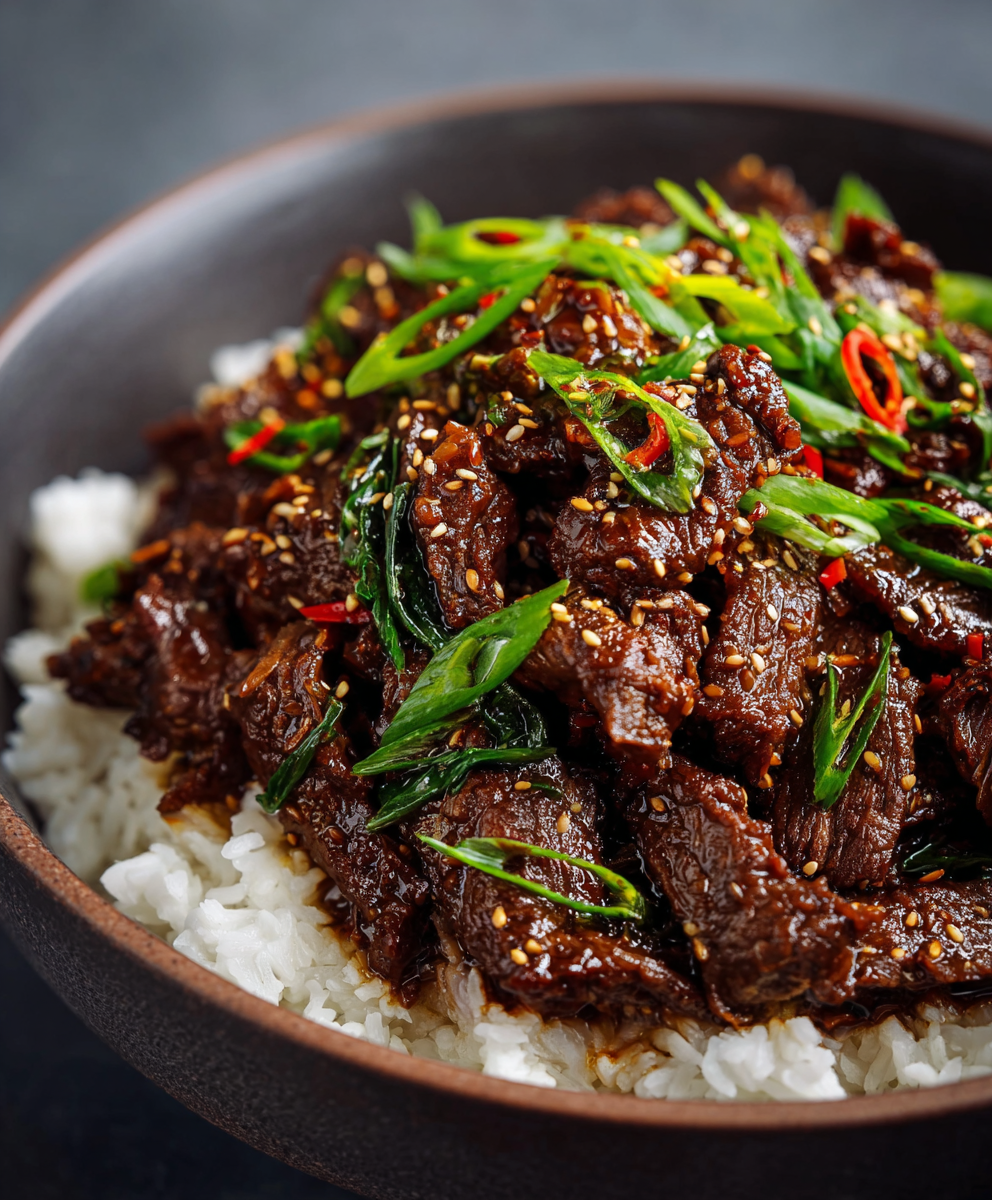
This cooker Korean beef has been one of those weeknight heroes in my kitchen for years. I first developed this combination during a busy autumn when I needed something hands-off, bold in flavor, and reliably comforting. The sweetness of brown sugar balances the savory depth of soy and beef broth, while sesame oil, garlic, ginger and a hit of gochujang bring that unmistakable Korean-inspired warmth. I love how the long, slow cook time transforms a humble chuck roast into tender strands that soak up the glaze. It became our go-to for casual dinners and easy entertaining—served over rice, tucked into warm buns, or scattered on a bowl of greens.
I discovered how little fuss it takes to make a crowd-pleasing main when you trust slow, steady heat. There’s a simple satisfaction in walking away from a busy day knowing a robust, saucy dinner will be waiting. The texture—silky strands of beef that pull apart with two forks—is what keeps everyone returning for seconds. Every family member I’ve served this to has asked for the recipe; even the pickiest eaters find the sweet-salty balance hard to resist. It’s versatile, forgiving, and perfect for meal prep, parties, or cozy weekend cooking sessions.
I first served this at a small fall gathering and watched everyone pile it into steamed buns and over rice bowls. The glossy, slightly sticky sauce that clings to the beef stayed delicious the next day—my partner declared it even better when reheated. Over the years I’ve adjusted ratios to keep the sauce balanced and the texture perfect, so this version reflects those lessons: a touch more vinegar for brightness and an extra splash of sesame oil at the end for aroma.
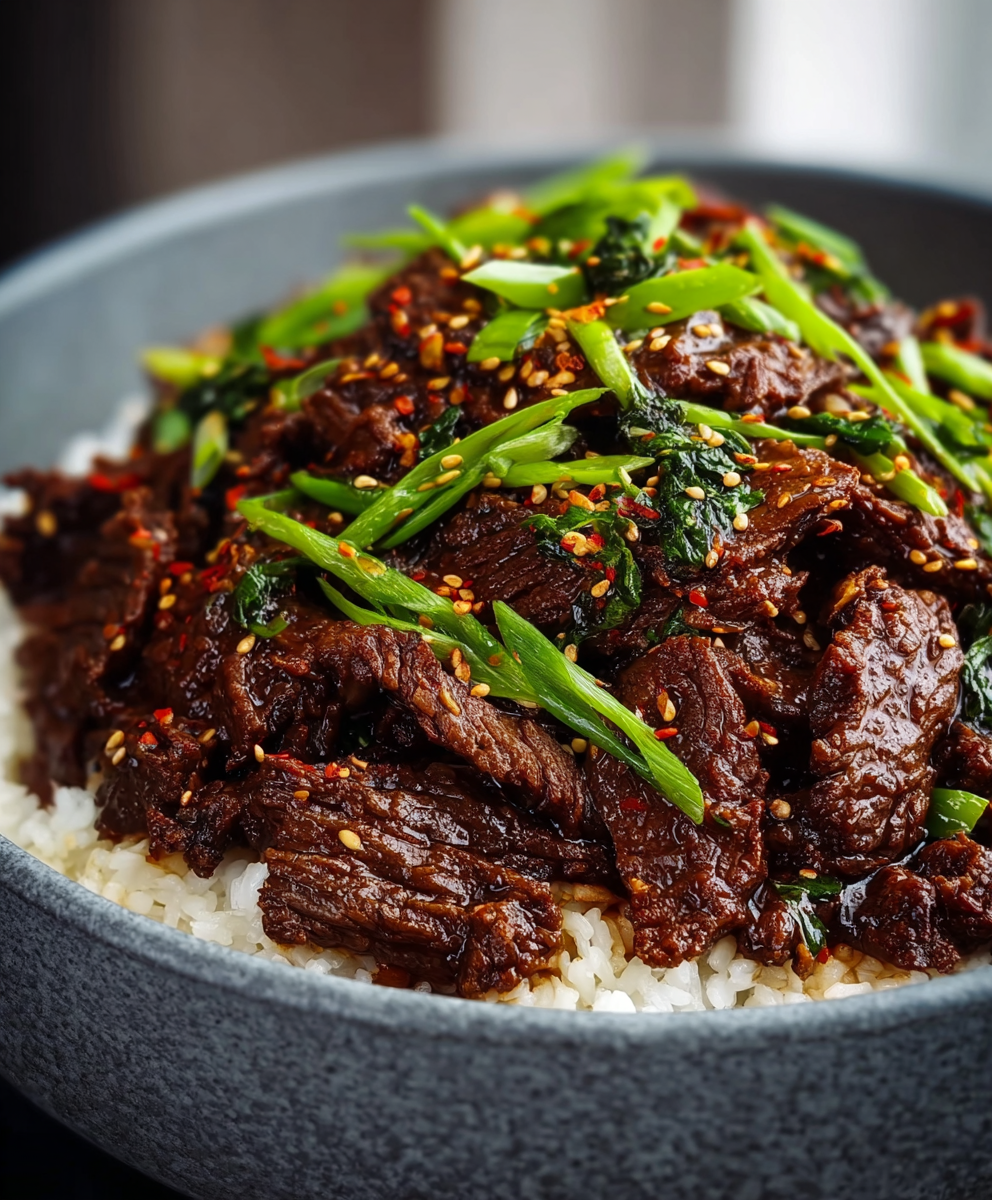
My favorite thing about this preparation is how forgiving it is: the flavors deepen the next day, and the beef keeps its texture even after refrigeration. I often double the sauce and freeze half to use as a quick weeknight topper for bowls or sandwiches. Every time I make it for friends, someone asks if they can take the leftovers home—proof that slow, balanced flavors never go out of style.
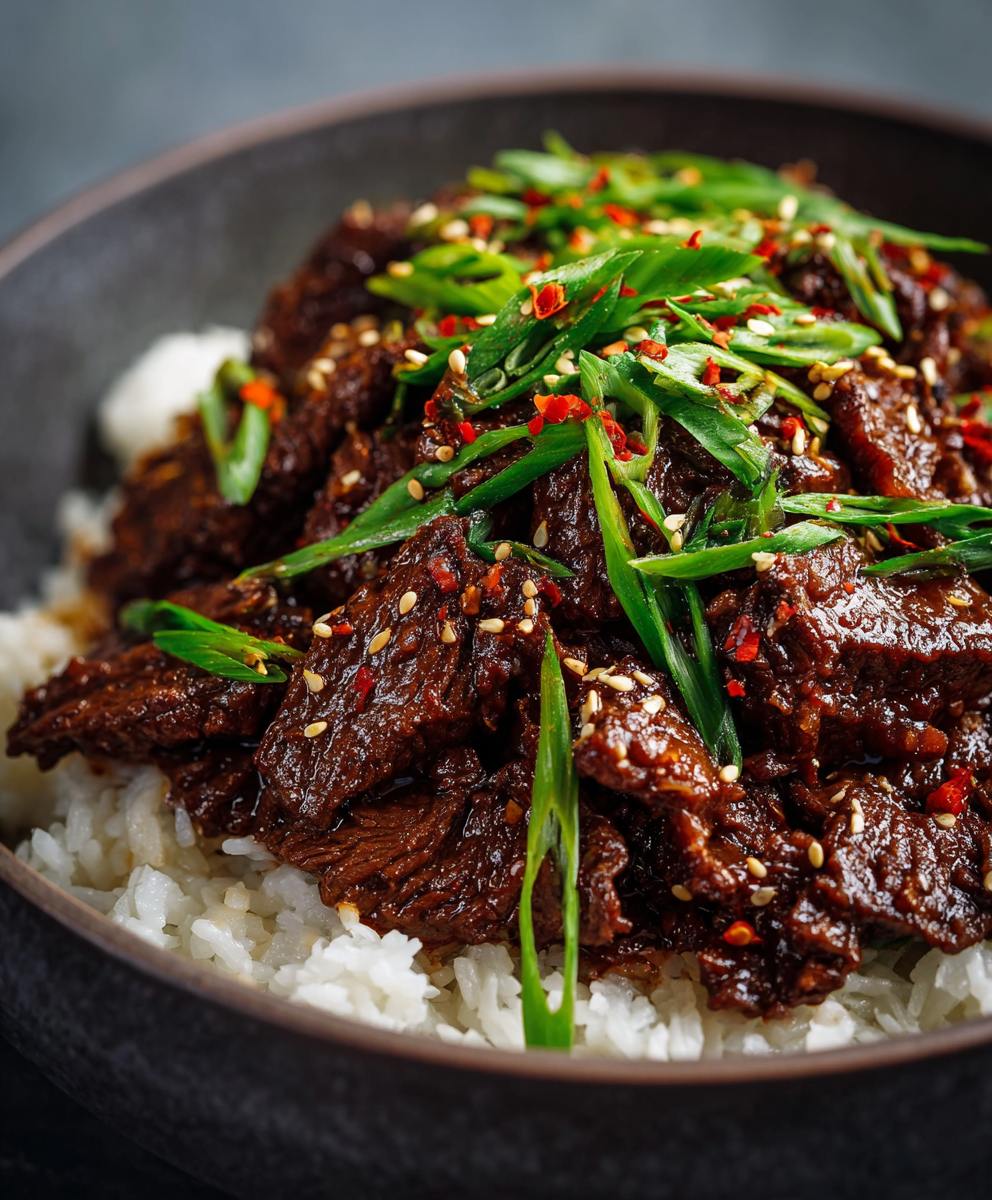
Store cooled beef in airtight containers in the refrigerator for up to 4 days. For freezing, portion into meal-sized containers or heavy-duty freezer bags and remove as much air as possible; it will keep for about 3 months. To reheat, thaw overnight in the fridge then warm gently on the stove over low heat, adding a splash of water or broth if the sauce has thickened too much. Reheating in a covered skillet preserves moisture. Avoid microwaving on high, which can dry the meat; instead heat in short bursts and stir.
If you need a gluten-free version, replace soy sauce with tamari and check that your gochujang is wheat-free or use a gluten-free chili paste plus a touch of miso for depth. For a milder result, reduce gochujang to 1 tablespoon and add a teaspoon of chili flakes only if desired. To lower sugar, reduce brown sugar to 2 tablespoons and add a tablespoon of honey for complexity. If beef is unavailable, use bone-in pork shoulder or boneless chicken thighs cooked the same way—the longer, slower cook will break down collagen and yield tender shredded meat.
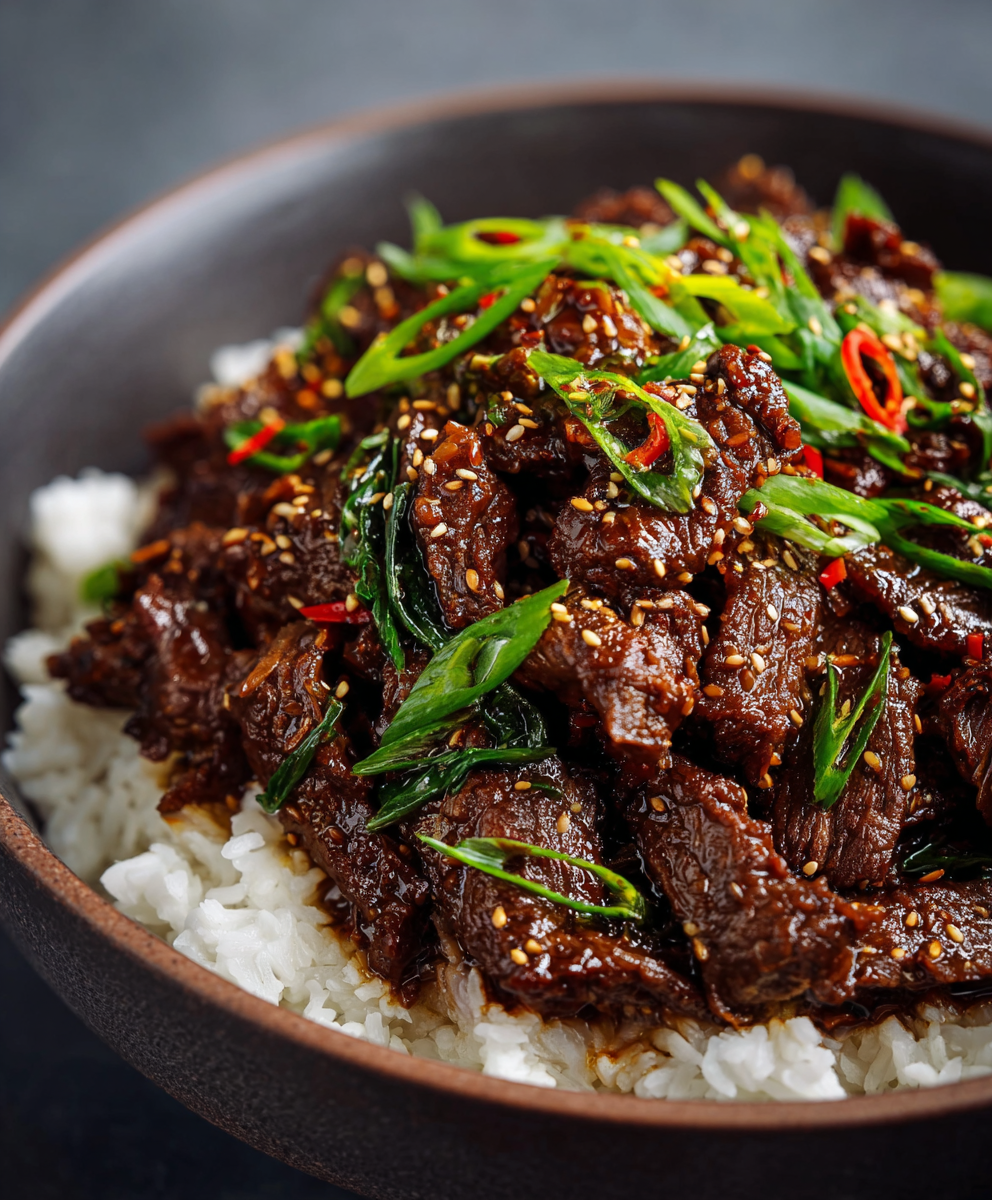
Serve over steamed white or brown rice for a classic bowl, or spoon into toasted hamburger buns for sliders at a party. It’s also fantastic in lettuce wraps with quick pickled carrots and cucumbers, or scattered over a simple salad dressed with sesame vinaigrette. Garnish with sliced green onions and toasted sesame seeds for color and crunch. For a full meal, pair with kimchi, roasted vegetables or a crisp cucumber salad to cut through the richness.
This preparation is inspired by Korean flavor profiles—gochujang for fermented chili heat, sesame oil for nutty aroma, garlic and ginger for foundational aromatics. While not a traditional Korean stew, the approach borrows the balance of sweet, salty, spicy and umami that characterizes many Korean dishes. Slow-cooking beef in a savory-sweet glaze mirrors home-cooked braises in many cuisines, adapted here to American pantry staples and a slow cooker for convenience.
In winter, serve the shredded beef over warm bowls of steamed rice with roasted root vegetables. In summer, cool the meat and toss into salads or lettuce cups for lighter plates. For holiday gatherings, use the beef as a centerpiece for a casual slider bar with pickled vegetables and a variety of sauces. The recipe scales easily: double the ingredients for a crowd and cook in a large crock for the same timing, depending on space and thermometer checks for tenderness.
Make a large batch on the weekend and portion into single-serve containers for lunches. Freeze individual portions for quick dinners. Keep condiments—sesame oil, sliced green onions, and a small container of extra sauce—separate until serving to preserve texture. When reheating, add a tablespoon of water per cup of meat to keep the sauce glossy and prevent drying. Label containers with date and contents so you always reach for the freshest portions first.
Final note: this cooker Korean beef invites experimentation. Tinker with gochujang levels, try different broths or sweeteners, and don’t be afraid to use the leftovers as a base for fried rice, tacos or a composed grain bowl. It’s a reliable, crowd-pleasing option that earns its spot in a busy home cook’s repertoire.
Pat the roast dry before seasoning to encourage better browning if you choose to sear first.
Let the meat rest 5 minutes after shredding before stirring back into the sauce to help it reabsorb juices evenly.
For a more intense glaze, remove some of the cooking liquid, boil to reduce and then toss shredded beef in the reduced sauce.
This nourishing cooker korean beef recipe is sure to be a staple in your kitchen. Enjoy every moist, high protein slice — it is perfect for breakfast or as a wholesome snack any time.
Yes. Use 2 pounds of chuck roast and cook on LOW for 7 to 8 hours or on HIGH for 4 to 5 hours until it shreds easily.
Replace soy sauce with tamari and use a gluten-free labeled gochujang or alternative chili paste to make a gluten-free version.
This Cooker Korean Beef recipe makes perfectly juicy, tender, and flavorful steak every time! Serve with potatoes and a side salad for an unforgettable dinner in under 30 minutes.
Pat the chuck roast dry. Whisk together soy sauce, beef broth, brown sugar, sesame oil, minced garlic, grated ginger, rice vinegar and gochujang until combined and glossy.
Place the roast in the slow cooker and pour the sauce over it, turning to coat. Cover and cook on LOW for 7-8 hours or HIGH for 4-5 hours until the meat is very tender.
Remove the roast and shred with two forks. Skim excess fat from the cooking liquid if desired and return shredded beef to the cooker to soak up sauce.
If a thicker glaze is desired, stir a cornstarch slurry into the cooker and cook 10 more minutes. Finish with a drizzle of sesame oil and garnish with sliced green onions and sesame seeds.
Last Step: Please leave a rating and comment letting us know how you liked this recipe! This helps our business to thrive and continue providing free, high-quality recipes for you.
Leave a comment & rating below or tag
@moodcooks on social media!

Crispy air-fried cauliflower tossed in a creamy sweet-spicy bang bang sauce — a crunchy, vegetarian appetizer or weeknight favorite that's ready in about 30 minutes.

Crispy battered cauliflower florets tossed in tangy buffalo sauce — a spicy, vegetarian crowd-pleaser ready in under 40 minutes.

A nostalgic, no-bake peanut butter cream pie inspired by Amish kitchens—silky peanut butter filling, crunchy crumbles, and pillowy whipped topping in a buttery 9-inch crust.
Leave a comment & rating below or tag @moodcooks on social media!
Enjoyed this recipe? Share it with friends and family, and don't forget to leave a review!
This recipe looks amazing! Can't wait to try it.
Comments are stored locally in your browser. Server comments are displayed alongside your local comments.

Join to receive our email series which contains a round-up of some of our quick and easy family favorite recipes.